Supply & return vent cleaning — both halves of the cycle.
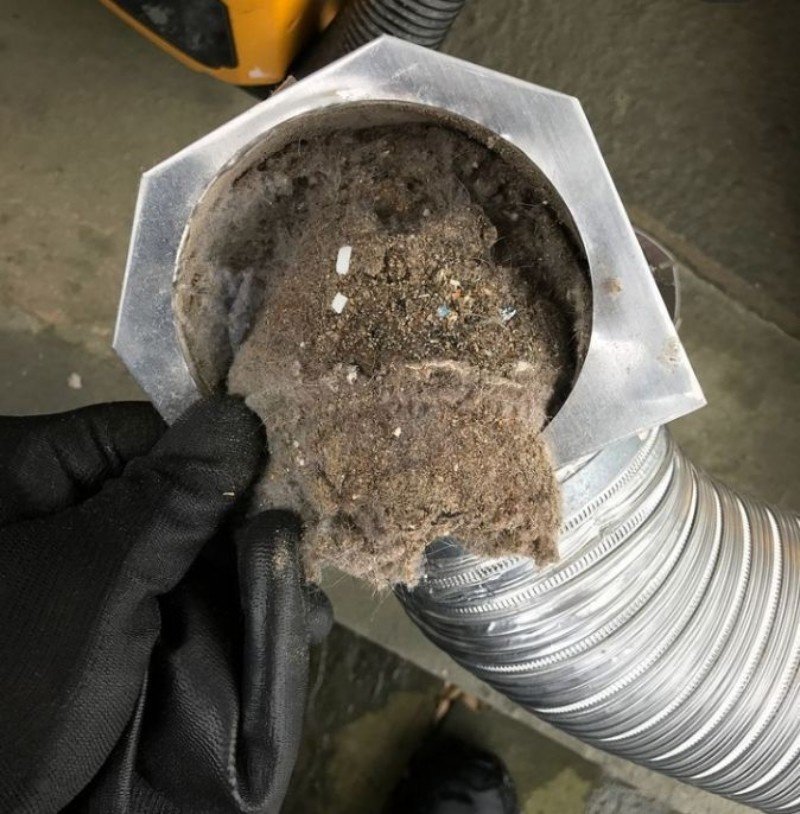
Clean the supply side and skip the return, and your system just pulls the same dust back in. We clean and balance both sides — CFM in should match CFM out.
 FREE ESTIMATE
📍 On-site · Brooklyn, NY
FREE ESTIMATE
📍 On-site · Brooklyn, NY
What's the Difference Between Supply & Return?
Every forced-air system is one repeating loop — air has to leave a room the same way it enters, or the whole system loses balance.
- Push heated or cooled air into each room
- Usually have a damper you can open, close, or angle
- Placed near windows or doors where heat loss is greatest
- Get dusty from the airflow moving through them
- Pull room air back to the unit to be reheated or recooled
- No damper — need unrestricted airflow at all times
- Usually larger, and placed centrally in the room
- Collect the most dust, since they filter what they pull in
Cleaning Only the Supply Side Doesn't Finish the Job
Return vents don't have a damper to close, which means they run unrestricted all day — and that makes them one of the fastest places for dust and allergens to build up.
Clean the supply vents and skip the return, and the system just pulls the same dust back through the return grille and pushes it out the supply side again next cycle.
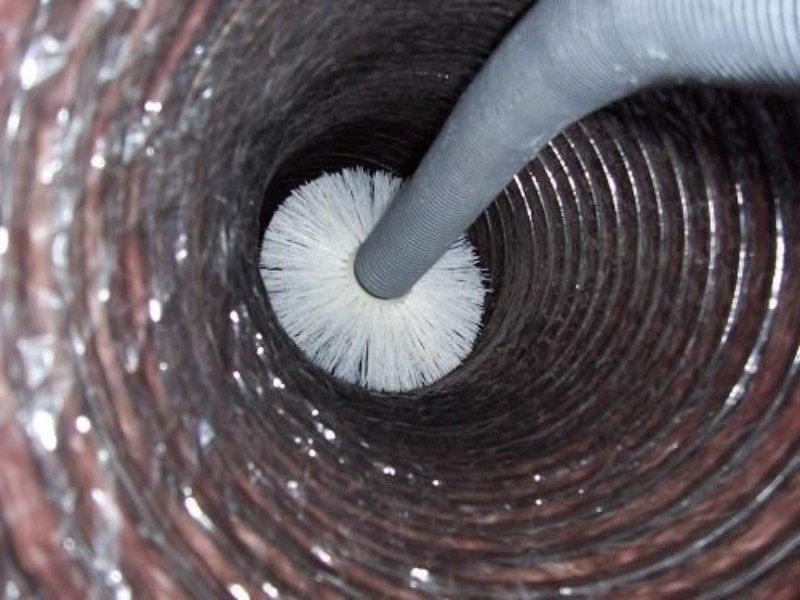 📍 Return grille · Brooklyn, NY
Signs of an Airflow Imbalance
These often trace back to a dirty or restricted return, not the supply side.
Hot or cold rooms that never quite match the rest of the house
Visible dust buildup at return grilles, more than at supply vents
Doors that whistle or push open/closed when the system runs
Weak airflow from supply vents even after they've been cleaned
The system runs constantly without reaching the set temperature
Our Supply & Return Cleaning Process
Every opening in the home mapped, cleaned, and checked — not just the ones that catch your eye.
Map the System
Every supply and return opening in the home is located first.
Clean Supply Vents
Covers removed, washed, and the damper checked for smooth movement.
Clean Return Vents
Grilles removed and deep-cleaned — these carry the heaviest buildup.
Check Filtration
Filters at central or dedicated returns inspected or replaced.
Verify Airflow
A check that air moves freely on both sides of the cycle.
Reinstall
Every cover reset so nothing restricts flow going forward.
Benefits of a Balanced System
When both sides of the cycle are clear, your whole home heats and cools more evenly — not just the rooms closest to the unit.
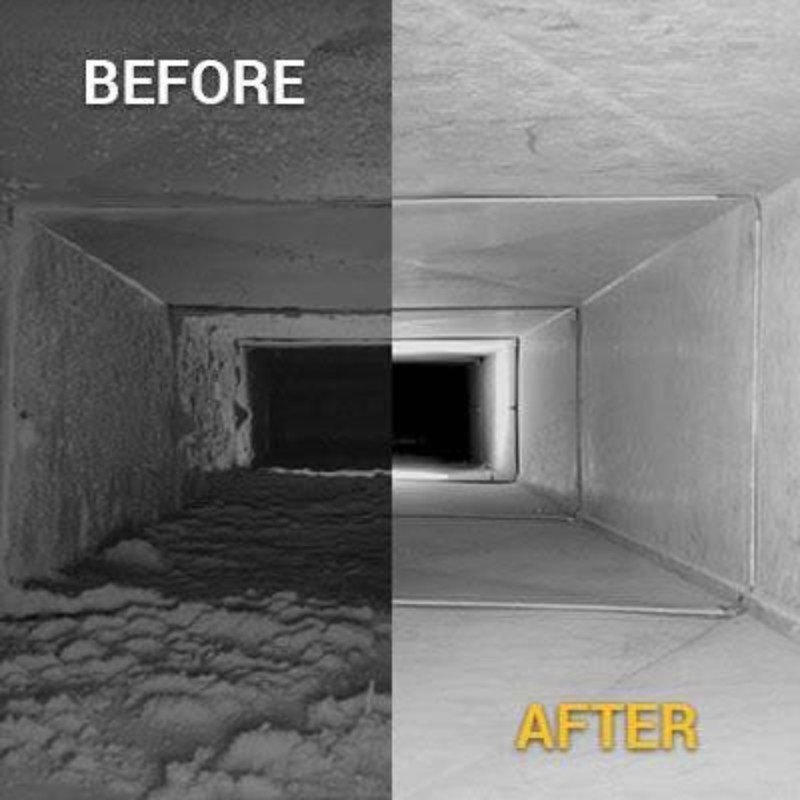 📍 After cleaning · Brooklyn, NY
How Often Should Both Sides Be Cleaned?
Return vents need attention more often than supply, simply because of how much air moves through them.
Highest airflow volume, fastest buildup.
Slower buildup, but still worth checking.
Every supply and return, removed and washed.
Both sides checked as standard whenever we clean your ducts.
Cost of Supply & Return Vent Cleaning
Priced by the number of supply and return openings — often discounted when booked alongside a full duct cleaning.
Based on total vent count and accessibility.
The most common way this service gets booked.
A quick walkthrough gets you a firm number.
The number we quote is the number you pay.
Professional Cleaning vs. DIY
No surprises, no shortcuts
Supply & Return Vent Cleaning FAQs
What's the difference between a supply and a return vent?
Supply vents push conditioned air into a room; return vents pull room air back to the system to be reheated or recooled. They complete one continuous cycle.
Why does the return vent matter more than people think?
Return vents don't have a damper, so they run unrestricted constantly — which makes them one of the fastest places for dust to build up.
Is cleaning just the supply vents enough?
No — if the return side stays dirty, the system just pulls the same dust back through and pushes it out again next cycle.
How often should both be cleaned?
Return grilles every 3–6 months, supply vents every 6–12 months, with a full professional clean annually.
How much does it cost?
It depends on the total number of supply and return openings — often discounted when booked with a full duct cleaning.
Can dirty vents cause hot or cold rooms?
Yes — an imbalance between supply and return airflow is a common cause of uneven room temperatures.
Do you check the filter at the return vent too?
Yes — filters at central or dedicated return vents are inspected and replaced if needed.
Is this different from general air vent cleaning?
It's a focused version — specifically balancing and clearing both halves of the airflow cycle, supply and return together.
How long does it take?
[Confirm typical visit length based on vent count.]
Which Brooklyn neighborhoods do you serve?
All of Brooklyn, including Park Slope, Williamsburg, Bushwick, Bay Ridge, and Flatbush.
Balancing Airflow Across Brooklyn
Book Your Supply & Return Vent Cleaning
Both sides of the cycle, cleaned and checked — the way it's supposed to work.